Circular Design in 3D Printing: A Creative Cycle
Discover how circular design and 3D printing transform waste into new possibilities, creating a sustainable creative cycle.
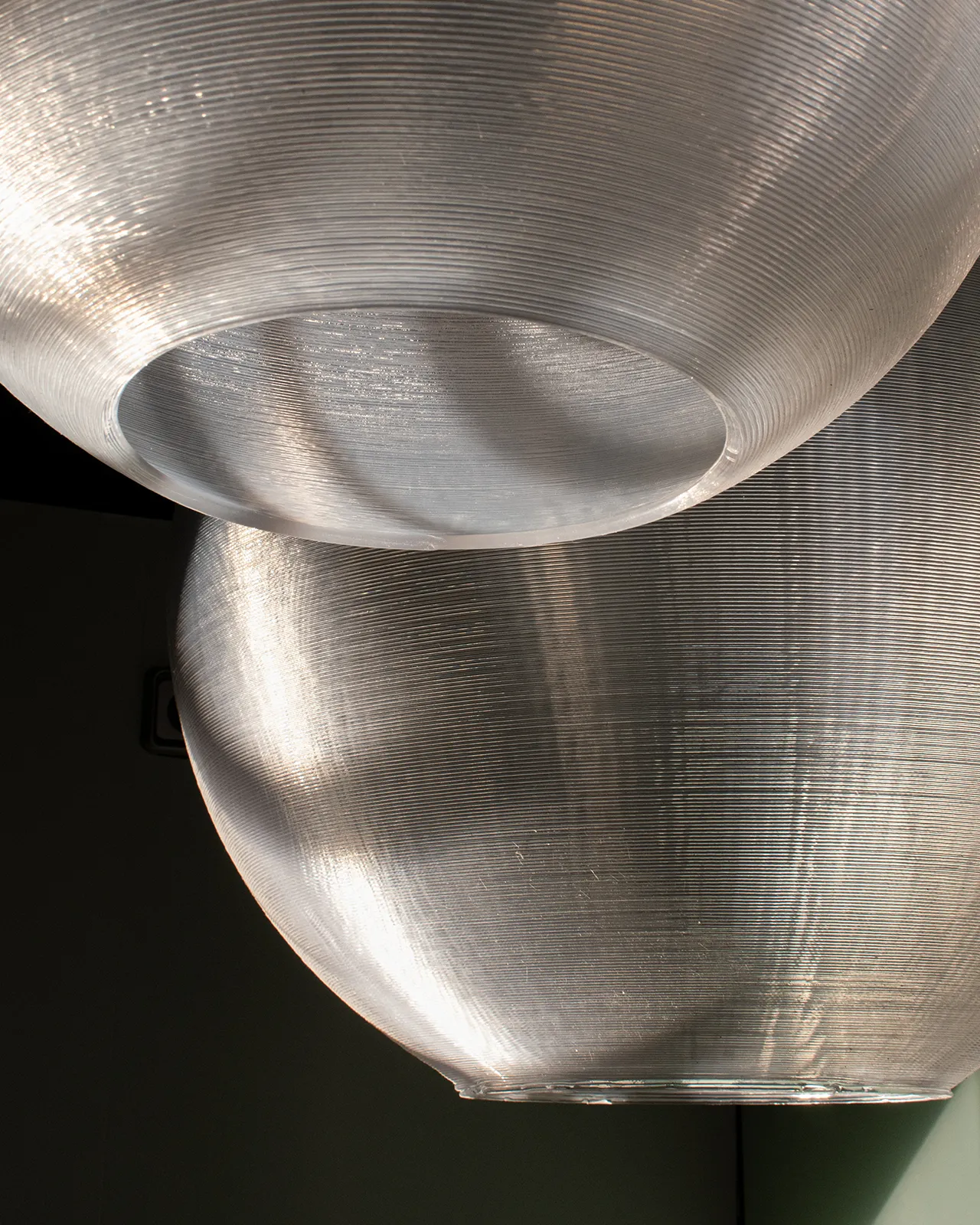
Design has long shaped the way we live and the consequences of the lifestyles it conveys. As our awareness grows of how interconnected every decision we make is, design plays a significant role in this process. However, in the context of a climate emergency, we must inquire: what can design do for us now?
EMBRACING CIRCULARITY
For a field like construction – responsible for nearly a third of all waste generated in Europe – this question appears particularly pressing. Traditional building methods rely heavily on resource extraction and generate in return significant amounts of waste. Plastic pollution, too, has reached alarming proportions: millions of tonnes leak into aquatic ecosystems each year, threatening biodiversity and human livelihoods alike. From floating debris in remote waters to microplastics within marine organisms, the evidence is everywhere.
Yet, by embracing concepts like circularity, where materials enter a continuous cycle of use and reuse, we open a promising path towards sustainability.
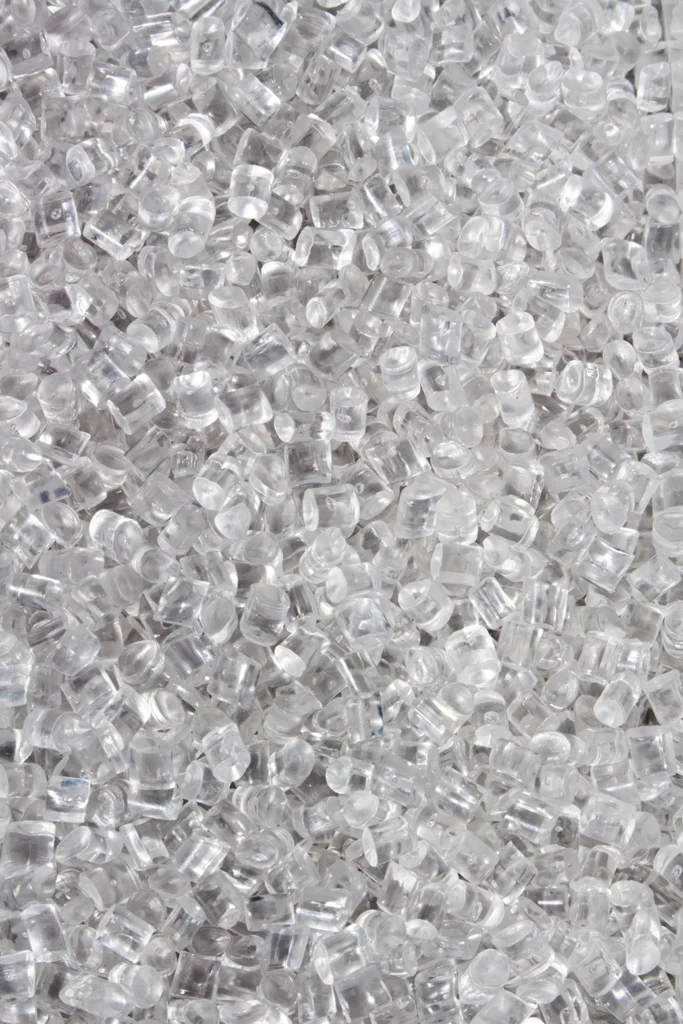
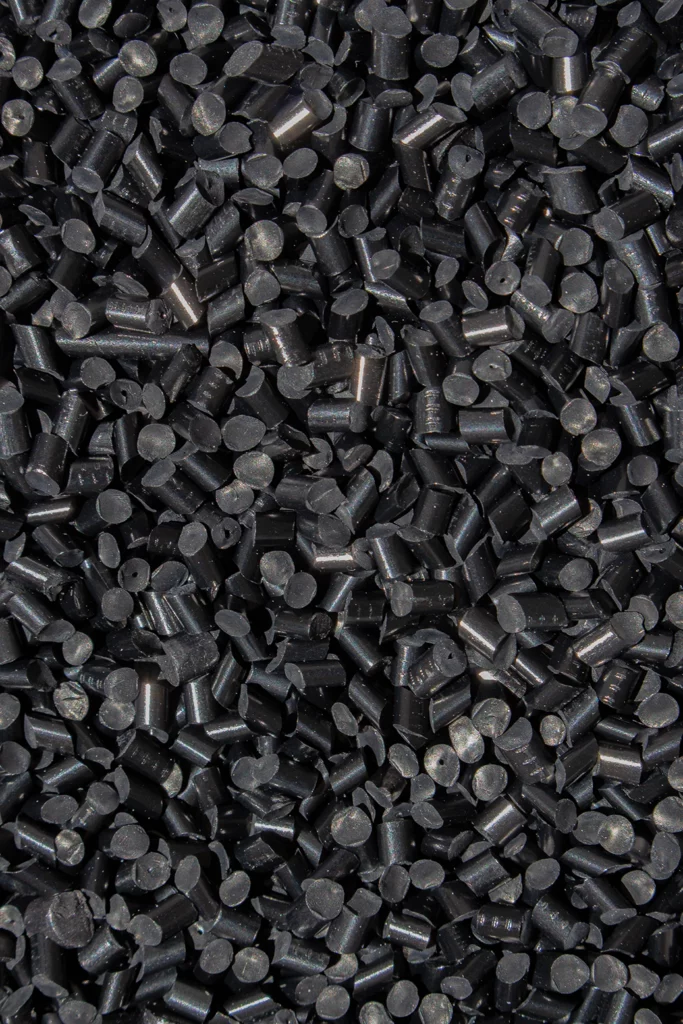
In this regard, 3D printing emerges as a reframing tool to change the dynamics of environmental degradation that the building sector entails. Thanks to processes that allow the reutilisation of discarded materials – whether from the construction or the packaging industries – a circular approach can be seamlessly implemented. Once shredded and converted into pellets, polymers can be fed into 3D-printing robots and formed into the programmed shape. This cycle can be repeated as many times as desired, extending the life of any material introduced into this system.
CREATIVE POTENTIAL
LAMÁQUINA has developed processes to use both polymers and granular materials, offering a wide range of customisation options. The various properties of these materials allow for diverse finishes and structural qualities. Additionally, applying colour can further enhance aesthetics, allowing for greater design versatility. This flexibility enables each piece to be tailored to its specific context, making the adoption of these techniques not only a commitment to environmental responsibility but also an opportunity to open the door to new creative potential. By embracing these innovative approaches, designers and architects can integrate circularity within their creative processes.
As 3D printing technologies give us the opportunity to repurpose materials previously manufactured, we are able to create an endless cycle of renewal. In this context, materials are truly born to be reborn, continuously adapting to meet the demands of a sustainable future. At LAMÁQUINA, we embrace this philosophy, transforming waste into new possibilities, because innovation should never come at the Earth’s expense.